So, it’s January, and you really want
to ride your bike! But it’s JANUARY and it’s 26 degrees outside.
Surely that’s too cold to venture out, right? Well, no.
You’ve probably heard the one about how “there’s no such thing
as bad weather, only bad apparel choices”, right? While we might
not agree entirely (after all, who wants to ride a bike during a
hurricane, for example ), we do generally agree that if the roads are
not icy there really isn’t any temperature at which it’s too cold
to ride a bike.
So, how DOES one keep warm when the
temperatures plummet? The keys to success are proper layering,
minimal breaks, and hot beverages (we’re fans of
thermoses that fit in our bottles cages).
Proper layering. We've all
heard this term, but what does it really mean? There are 3 parts to
effective layering:
- A moisture management inner or base layer –
having wet or sweat-damp clothing against the skin is the surest way
to feel chilly in cold weather. The ideal base layer is one that
grabs the moisture and transfers it AWAY from your skin and TO the
outer face of the base layer, where it can move into the mid
(insulating) layer of your apparel. While the base layer may not be
dry on the outer face, the inner face of the fabric should feel dry
to the touch, thus keeping you warmer. It is important that you
pick a base layer size that provides you with a FORM FIT. The fabric
must touch your body to work properly.
- An insulating mid layer – This is the layer that retains the heat being generated by your body. Synthetic insulating layers generally do this by trapping heat between the fibers of the peached/brushed/lofted materials they are constructed from. Wool insulating layers do this as a natural function of the wool fiber itself, trapping the heat inside the fibers.
- A wind/water outer layer, also known as a shell – This is the layer that protects you from what Mother Nature throws AT you.Chose a thermal wind blocking soft shell for cold but dry conditions.Garments of this type generally have a windproof outer face, often covering the entire garment, but sometimes with strategically placed panels of thermal material only to aid in venting excess heat. The outer face will also typically have a DWR (Durable Water Repellent) treatment that will help mist or light rain bead up and roll off the jacket rather than being absorbed. This feature will generally be overwhelmed with moisture if the wet weather is persistent, so do not rely on soft shell to stay dry if the weather is expected to be persistently rainy. The inner face will generally be an insulating layer. Choose a weight depending upon your personal “thermometer”.For wet weather, choose a waterproof hard shell.Waterproof shells use a waterproof membrane (such as GoreTex or eVent) which is generally laminated between a face fabric and an inner material for durability. The face fabrics are also typically treated with a DWR application to aid in moisture beading off the garment. While waterproof shells are also great wind layers, they do not move moisture vapor as fast as a typical wind shell, so some people are prone to overheating in waterproof shells. Waterproof shells are best reserved for wet conditions, when possible.
This general layering system can be
applied to the bottom half of your body as well. When it’s very
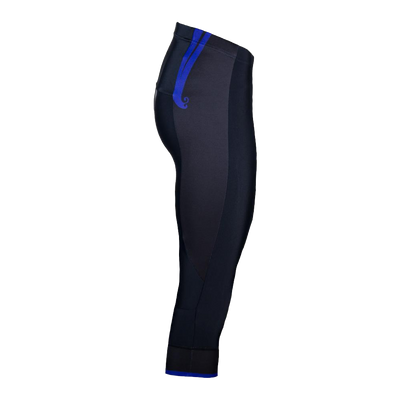
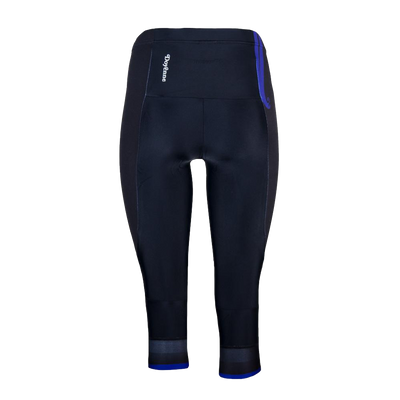
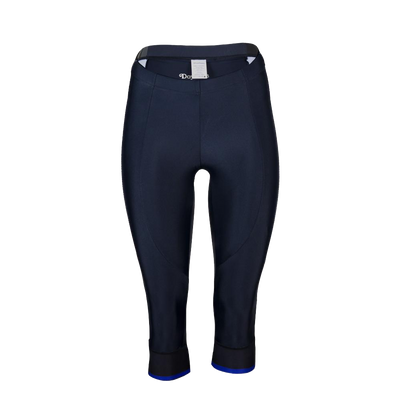
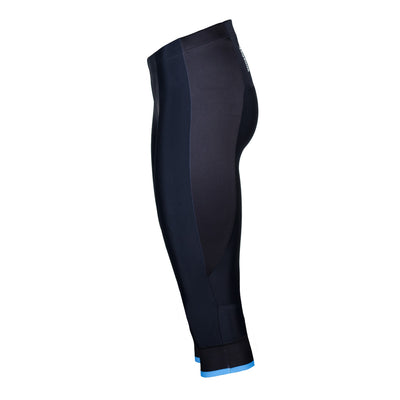
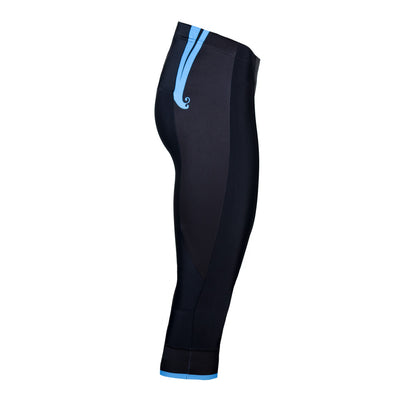
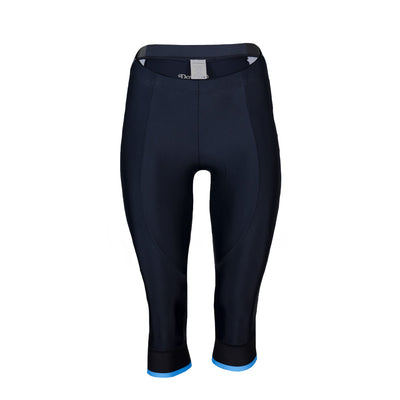
cold, choose a cycling knicker or tight, add some wool socks, and
cover it all with a pair of wind-blocking, non-chamois tights such as the
Pearl Izumi Amfib Tight.
Face, fingers and toes all need to be
protected as well. Choose a cycling cap like the Hincapie Arenberg
which covers the ears, or a thermal balaclava when temps fall below freezing. Choose
windproof and/or waterproof insulated gloves to keep fingers warm.
Remember that after taking a break, the first thing to feel
chilled when you start riding again will be the extremities like your
fingers and toes! Ride a little harder after a break and those
digits should warm back up again in 10-20 minutes. Don’t
hesitate to get some help from modern science. Chemical toe and
hand warmers can be a digit-saver in really cold conditions. They
don’t work when wet, however, so try to keep your hands and feet
dry in the rain, by using waterproof accessories.
One final note about layering on your
legs and feet – when overlapping layers, think like a roofer
putting shingles on a roof and don't give the water a path in towards
your skin. Tights or rain pants should go outside and on top of your
booties. If you tuck your pants in, you'll end up channeling runoff
directly into your shoes!
Want some suggestions? Here are some of Susan’s personal favorites:
- Moisture management base layer: “I’m a huge fan of having a synthetic moisture transfer baselayer against my skin. My personal favorites are Pearl Izumi’s base layers made with Minerale as well as Craft’s Active Extreme base layers, particularly the configuration with the Moving Wing feature. Both of them move moisture like a champ.”
-
Insulating mid layer: “The ability to retain warmth when wet gives wool the upper hand as an insulating layer. Modern wool is super soft, never scratchy, retains its shape, is machine washable, and is warm even when wet. I love the cycle-specific jerseys from Ibex, such as the Giro Jersey and from Icebreaker, such as the Viva Jersey.
-
Wind/water outer shell layer: “Here in the rainy Pacific NorthWet, most of my winter rides find me in a GoreTex Ultralight Oxygen Jacket. On the rare occasions when it’s dry enough (which generally means it’s very cold!) to go without a fully waterproof layer, I am partial to a windproof soft shell, like the GORE Windstopper Jackets that we carry.
This past Sunday (January 13th), Susan rode 71 miles
during which the temperature averaged 28 degrees. How did she stay
warm? Here’s what she wore, head to toe.
- Sugoi Balaclava
- Pearl Izumi Minerale L/S Windfront Baselayer
- Wool Jersey (similar to Ibex Giro)
- Thermal Soft Shell jacket (Similar to GORE Winstopper Thermal)
- Pearl Izumi Best Ever Winter Glove
- Louis Garneau Pro Knickers
- Pearl Izumi Amfib Tights
- Smartwool Socks
- Little Hotties warmers
- Sidi Diablo Boots
- Pearl Izumi Amfib shoecovers